Stockinette Bags Usage Guide’ Australian Best Practices for Handling, Storage, and Transport Efficiency
In Australia’s agriculture, food processing, and meat retail industries, operational efficiency and product protection are critical. One commonly overlooked but highly effective tool is stockinette bags. Proper use of stockinette bags can significantly improve handling, reduce spoilage, and streamline packing processes across farms, abattoirs, butcher shops, and produce distribution centres.
This guide explores how stockinette bags are used across Australian industries, how to choose the right type, and best practices for maximising performance in real-world applications. Whether you are handling produce in regional Victoria or managing meat processing in Queensland, understanding correct usage techniques can improve both product quality and operational workflow.
What Are Stockinette Bags and Why They Matter in Australia
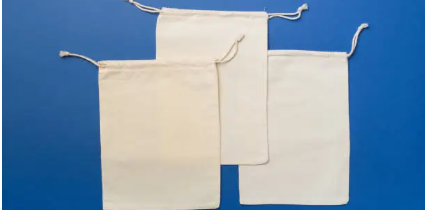
Stockinette bags are flexible, tubular mesh-style packaging materials typically made from cotton, polyester, or blended synthetic fibres. In Australia, they are widely used in agriculture, meat processing, and even industrial packaging due to their breathability and adaptability.
One of the main advantages of stockinette bags is their ability to allow airflow while securely containing irregularly shaped products. This reduces moisture buildup, which is particularly important in Australia’s warmer, more humid regions, such as coastal Queensland and northern New South Wales.
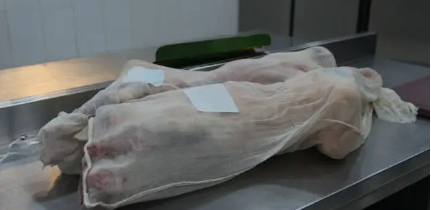
In meat processing facilities, stockinette bags are often used for curing meats, storing cuts, or protecting bone-in products during transport. In agricultural contexts, they are used for onions, citrus fruits, and root vegetables, where ventilation is essential to prevent premature spoilage.
Key Applications Across Australian Industries
1. Agriculture and Fresh Produce Handling
Farmers across Australia rely on stockinette bags for harvesting and packing produce. Onions, garlic, potatoes, and citrus fruits benefit from breathable storage that prevents rot during transport to wholesale markets.
The flexibility of stockinette bags allows them to conform to varying produce sizes, reducing bruising during handling. This is especially valuable in large-scale farming operations in South Australia and Western Australia, where produce often travels long distances.
2. Butchery and Meat Processing
In Australian butcher shops and abattoirs, stockinette bags are commonly used to hang and cure meat products such as ham and salami. The mesh structure allows controlled airflow, which supports even drying and curing.
When used correctly, stockinette bags help maintain product shape and improve hygiene standards during processing. This is particularly important in regulated environments governed by Australian food safety standards.
3. Industrial and Export Packaging
For exporters, stockinette bags provide lightweight yet protective packaging for irregular goods. Their durability makes them suitable for long-distance shipping, especially when exporting agricultural products from Australia to Asia-Pacific markets.
How to Choose the Right Stockinette Bags
Selecting the correct type depends on application, load weight, and environmental conditions. Australian businesses typically consider the following:
● Material type: Cotton is ideal for natural breathability, while synthetic blends offer higher durability.
● Mesh density: Finer mesh is suitable for small produce, while wider mesh is used for larger, heavier items.
● Load capacity: Industrial-grade stockinette bags are required for meat processing or bulk agricultural loads.
● Compliance standards: Food-grade certification is essential for edible goods in Australia.
Choosing the right specification ensures product safety and reduces waste during handling and transport.
Best Practices for Using Stockinette Bags Effectively
To maximise efficiency and product quality, Australian operators should follow several best practices:
1. Avoid overfilling: Overloading can stretch or damage the bag, reduce airflow, and increase spoilage risk.
2. Ensure proper sealing or tying: Secure closures prevent product loss during transport and maintain structural integrity.
3. Store in dry conditions: Even though stockinette materials are breathable, prolonged exposure to moisture can degrade fibres.
4. Label clearly for logistics: In large-scale supply chains, clear identification improves traceability and efficiency in handling.
5. Inspect before reuse: Some heavy-duty stockinette bags are reusable, but only if there is no structural damage.
Common Mistakes to Avoid
Many Australian users underutilise stockinette bags due to improper handling techniques.
Common errors include:
● Using non-food-grade bags for edible products
● Storing wet produce for extended periods
● Ignoring weight limits in industrial applications
● Failing to match mesh size to product type
Avoiding these mistakes significantly extends the lifespan and effectiveness of stockinette-based packaging systems.
Sustainability and Environmental Benefits
Sustainability is a growing concern in Australian agriculture and manufacturing. Stockinette bags contribute positively by reducing reliance on plastic packaging materials. Many versions are reusable or biodegradable, depending on the fibre composition.
In regional supply chains, switching to reusable stockinette bags can reduce packaging waste and lower operational costs over time. This aligns with broader environmental goals across Australia’s agricultural export sectors.
Conclusion
Stockinette bags remain a highly practical and cost-effective solution for agriculture, food processing, and industrial packaging in Australia. When used correctly, they improve airflow, protect goods during transport, and support sustainable operations.
From farms in rural New South Wales to processing facilities in Victoria, understanding how to select and handle stockinette bags can significantly improve efficiency and product quality. By applying best practices and avoiding common mistakes, businesses can maximise both performance and longevity in their packaging systems.


You May Also Like
Silage Plastic’ Are Oxygen Barrier Films Better Than Traditional Polyethylene for Australian Farms’
Net Wrap Safety Tips for Farm Workers in Australia