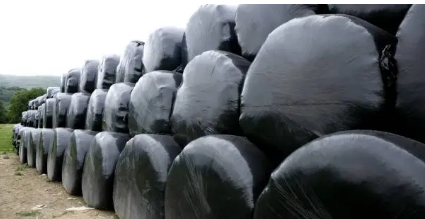

Net Wrap Safety Tips for Farm Workers in Australia
Net wrap is an essential tool in Australian agriculture, especially for baling hay and straw efficiently. While its use greatly improves productivity, handling net wrap poses specific safety risks to farm workers if not managed correctly. Ensuring safety protocols around net wrap is crucial to protect workers from injuries and maintain a smooth workflow during busy harvesting seasons.
In this article, we’ll explore practical net wrap safety tips tailored for farm workers in Australia. These guidelines will help reduce accidents, promote best practices, and foster a safer farm environment.
Understanding the Risks of Handling Net Wrap
Before diving into safety tips, it’s important to understand why net wrap can be hazardous. The material is made from strong plastic fibres designed to securely hold bales together. However, the sharp edges, high tension during wrapping, and the heavy rolls of net wrap can cause cuts, abrasions, or musculoskeletal injuries if mishandled.
In Australian farming operations, where large-scale baling happens regularly, workers often handle net wrap rolls manually or with machinery, increasing the chance of accidents without proper care.
Proper Handling and Storage Practices
- Use Correct Lifting Techniques: Net wrap rolls can be heavy and awkward to carry. To avoid back strains or injuries, workers should use proper lifting techniques such as bending knees, keeping the back straight, and holding the roll close to the body. Where possible, use mechanical aids like forklifts or pallet jacks.
- Store Rolls Safely: Rolls of net wrap should be stored in a dry, clean, and flat area to prevent damage or deformation. Storing them off the ground on pallets helps avoid moisture exposure. This also reduces slip hazards in the workplace.
- Keep Storage Areas Organised: A tidy storage area minimises tripping risks. Australian farms should implement clear zones for net wrap rolls and ensure walkways are free of obstructions.
Personal Protective Equipment (PPE) for Handling Net Wrap
Farm workers should wear appropriate PPE when dealing with net wrap:
- Gloves: Heavy-duty gloves protect hands from cuts and abrasions caused by sharp edges or tensioned net wrap.
- Safety Glasses: To shield eyes from flying debris or accidental snaps of net wrap strands.
- Long-sleeved Clothing: This reduces skin exposure and protects from minor scrapes.
Wearing the right PPE is a straightforward yet effective way to reduce injuries during net wrap handling.
Safe Operation of Net Wrap Machinery
Many Australian farms use balers equipped with net wrap dispensing systems. While these machines automate much of the wrapping process, safety risks still exist.
- Regular Maintenance and Inspection: Ensure balers and net wrap dispensers are regularly serviced and inspected for faults. Faulty equipment can cause unexpected malfunctions or jams that may injure workers.
- Follow Manufacturer Guidelines: Farm workers should be trained to operate net wrap machinery following the manufacturer’s instructions strictly. This includes safe loading of net wrap rolls, clearing jams safely, and shutting down equipment during maintenance.
- Avoid Loose Clothing: Loose clothing or jewellery can get caught in moving parts. Australian farms should enforce strict dress codes near operating machinery.
Training and Awareness
One of the most critical factors in preventing net wrap-related injuries is comprehensive training.
- Provide Formal Training Sessions: These should cover the correct use, handling, and disposal of net wrap.
- Promote Hazard Awareness: Workers need to recognise potential risks and know how to respond to emergencies.
- Encourage Reporting of Hazards: A culture where farm workers can report unsafe conditions without fear promotes continuous safety improvements.
Australian agricultural workplaces often benefit from combining government safety resources with industry-specific knowledge to create effective training programs.
Environmental Considerations and Safe Disposal
Using net wrap responsibly extends beyond worker safety to environmental stewardship.
- Proper Disposal of Used Net Wrap: Leftover or damaged net wrap can become an environmental hazard if not disposed of properly. Recycling programs exist in some Australian regions to handle agricultural plastics safely.
- Avoid Leaving Debris in Fields: Discarded net wrap can harm livestock and wildlife. Farms should organise cleanup procedures to ensure net wrap remnants do not remain in paddocks.
A safe farm is also a sustainable one, where environmental care complements worker safety.
Conclusion
Net wrap is a vital agricultural product in Australia, enhancing efficiency in hay and straw baling. However, its use comes with safety challenges that must be proactively addressed to protect farm workers.
By implementing proper handling techniques, using personal protective equipment, maintaining machinery, providing training, and managing environmental impact, Australian farms can create safer workplaces. Prioritising these net wrap safety tips ensures that farm workers can focus on their crucial tasks without unnecessary risk, contributing to a more productive and responsible agricultural sector.
With safety at the forefront, Australian farmers can continue to harness the benefits of net wrap while safeguarding the health and well-being of their workers.


You May Also Like
Stockinette Bags: Combining Sustainability with Practicality for Everyday Use
Stockinette Bags Usage Guide’ Australian Best Practices for Handling, Storage, and Transport Efficiency