Stockinette Bags: Combining Sustainability with Practicality for Everyday Use
In recent years, Australians have witnessed a marked shift towards eco-friendly and practical alternatives to single-use plastics and conventional shopping bags. Among these options, stockinette bags have emerged as a standout choice, gaining widespread popularity for their unique blend of sustainability, versatility, and convenience.
What Are Stockinette Bags?
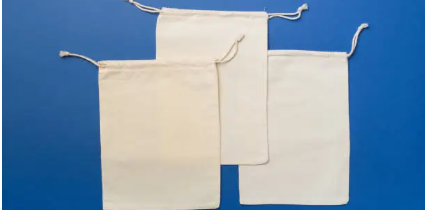
Stockinette bags, often made from lightweight knitted fabric, are a type of reusable mesh bag traditionally used in the textile and medical industries. Their soft, breathable construction allows for excellent stretchability and durability. When adapted for consumer use, stockinette bags typically serve as eco-friendly alternatives for carrying groceries, produce, and various household items.

Unlike plastic bags, stockinette bags are washable, reusable, and biodegradable—making them a compelling choice for environmentally conscious consumers..
The Sustainability Appeal
Australia’s increasing environmental awareness has been a major driver in the growing popularity of stockinette bags. The country’s commitment to reducing plastic waste, especially single-use plastic bags, has encouraged consumers and retailers to seek sustainable options that align with eco-friendly goals.
- Reducing Plastic Waste: Plastic pollution is a significant problem in Australia, with millions of plastic bags discarded annually. Stockinette bags offer a practical solution by providing a long-lasting, biodegradable alternative that reduces reliance on plastic.
- Reusability and Longevity: Unlike thin plastic bags that are used once and discarded, stockinette bags can be used repeatedly for years. Their durability minimises waste and lessens environmental impact over time.
- Natural and Biodegradable Materials: Many stockinette bags are made from natural fibres like cotton or bamboo, which decompose naturally, further reducing landfill buildup.
As Australians become more eco-conscious, choosing stockinette bags reflects a lifestyle shift that prioritises sustainability without sacrificing convenience.
Practicality in Everyday Use
Beyond their environmental benefits, stockinette bags have won over users due to their exceptional practicality. Their lightweight yet strong fabric construction means they can carry heavy or bulky items without tearing. Additionally, their stretchable nature allows the bags to expand and hold larger quantities of goods.
- Ideal for Grocery Shopping: Stockinette bags are perfect for carrying fruits, vegetables, and other groceries. The breathable material helps keep produce fresh by allowing air circulation, unlike plastic bags that trap moisture and accelerate spoilage.
- Compact and Convenient: These bags are easy to fold and store, fitting into handbags, backpacks, or glove compartments. This portability encourages people to carry them everywhere, ensuring they are ready to use them when needed.
- Multipurpose Use: Stockinette bags are not limited to groceries. They are also popular for storing laundry, carrying gym gear, or organising household items, highlighting their versatility.
The combination of these features makes stockinette bags not only an eco-friendly choice but also a practical one for busy Australians with varied lifestyle needs.
Support from Retailers and Government Initiatives
The growing popularity of stockinette bags is also supported by initiatives from Australian retailers and government bodies promoting sustainable alternatives.
- Retailer Adoption: Major supermarkets, farmers’ markets, and specialty stores are increasingly stocking and promoting stockinette bags. Some retailers even offer incentives, such as discounts or loyalty points, for customers who bring their reusable bags, helping normalise the use of stockinette bags.
- Government Policies: Several Australian states have implemented bans or levies on single-use plastic bags, creating a favourable environment for reusable bags like stockinette. Educational campaigns further encourage consumers to switch to sustainable bag options.
Design Innovation and Customisation
As demand grows, manufacturers are innovating stockinette bag designs to appeal to different consumer preferences and needs.
- Variety of Sizes and Colours: Stockinette bags now come in multiple sizes, from small produce bags to large shopping totes, catering to diverse uses. Vibrant colours and patterns add a stylish element that appeals to fashion-conscious shoppers.
- Branding and Custom Prints: Businesses use customised stockinette bags as promotional items, printing logos or messages that resonate with eco-friendly values. This practice helps raise awareness and connects consumers with sustainability-minded brands.
- Enhanced Features: Some modern stockinette bags include drawstring closures, reinforced handles, or double-layered fabric to improve security and strength.
These innovations ensure that stockinette bags remain relevant and attractive as consumers look for reusable products that combine function with aesthetics.
Conclusion:
The rise of stockinette bags in Australia highlights how sustainability and practicality can coexist beautifully in everyday products. By choosing stockinette bags, Australians contribute to reducing plastic waste while enjoying a versatile, durable, and convenient solution for their daily needs. This trend is not just a fleeting fad but a meaningful step toward a greener, cleaner future.


You May Also Like
Stockinette Bags Usage Guide’ Australian Best Practices for Handling, Storage, and Transport Efficiency
Net Wrap Safety Tips for Farm Workers in Australia