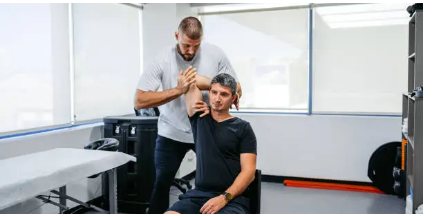

Physio Payneham’ Preventing Upper Limb & Neck Strain During Manual Harvesting Seasons
Manual harvesting can place significant demands on your hands, wrists, shoulders and neck. Repeated reaching, gripping, lifting, and overhead work can leave you feeling stiff and fatigued, particularly during long days. If you work in agriculture or regularly travel from Payneham to South Australian growing regions during harvest, preparation can help reduce your risk of overuse injuries. Seeing a physio near Payneham can also help identify movement problems early and provide practical strategies for managing workload, technique and recovery.
Why Manual Harvesting Can Cause Strain
Harvesting often involves repeating the same movements for hours. Picking, pruning, carrying containers, and working with tools can overload muscles and tendons when there isn’t enough variation or recovery time.
Common problem areas include:
● Neck and upper back muscles
● Shoulders and rotator cuff structures
● Elbows and forearms
● Wrists and hands
● Upper spine and shoulder blade region
Fatigue can also affect technique. As muscles tire, you may start shrugging your shoulders, bending your neck forward, or relying too heavily on one arm.
Prepare Before Harvest Begins
One of the most effective ways to reduce strain is to build tolerance before the busiest part of the season. A gradual strengthening program can prepare your muscles for repetitive physical work.
Exercises for the Shoulders and Upper Limbs
Depending on your current fitness and injury history, useful exercises may include:
1. Rows: Strengthen the upper back and help support shoulder movement.
2. Shoulder external rotations: Develop the muscles that contribute to shoulder stability.
3. Wrist strengthening: Light resistance exercises can improve forearm capacity for gripping and tool use.
4. Scapular exercises: Controlled shoulder blade movements can promote better upper-body mechanics.
5. Thoracic mobility: Gentle upper-back rotations and extensions can counter prolonged forward postures.
A physiotherapist can tailor exercise selection and resistance to your needs rather than giving you a generic routine.
Manage Repetition and Neck Fatigue
Repetitive tasks do not necessarily need to be avoided, but they should be managed intelligently. Where practical, alternate tasks that use different muscle groups and avoid staying in one position for prolonged periods.
To relieve neck fatigue, periodically reset your posture by lowering your shoulders, gently moving your neck through a comfortable range, and changing your working position. Keep frequently used tools and equipment within easy reach when possible to minimise excessive reaching.
If discomfort repeatedly develops during the same task, repetitive strain physio assessment can help determine whether your technique, strength, mobility or workload needs adjustment.
Recovery Matters During Long Harvest Days
Recovery is part of injury prevention, especially when work continues for several consecutive days. Use short breaks to move rather than remaining completely still, and allow particularly sore areas time to recover between shifts.
Pay attention to warning signs such as:
● Pain that progressively worsens during work
● Persistent tingling or numbness
● Reduced grip strength
● Shoulder weakness
● Neck pain that continues after rest
● Symptoms that interfere with sleep or everyday activities
Don’t simply push through persistent symptoms. Early assessment can help prevent a manageable problem from becoming a longer-term injury.
When to See a Physio Near Payneham
If you are preparing for a physically demanding harvest season, a physio near Payneham can assess your strength, mobility and movement patterns before symptoms become severe. Treatment may include targeted exercises, manual therapy where appropriate, ergonomic advice and a progressive conditioning program.
Whether you are heading to vineyards, orchards or other agricultural work across South Australia, preparing your body for repetitive demands can make the season more comfortable and sustainable.
Protect Your Body This Harvest Season
Manual harvesting requires both endurance and strength. Gradual conditioning, varied movements, sensible breaks and early attention to symptoms can all help reduce upper-limb and neck strain.
If you are experiencing recurring shoulder, arm or neck discomfort, book an assessment with a physio near Payneham to develop a personalised plan before the workload increases.
—
Frequently Asked Questions
1. How can I prevent neck pain during manual harvesting?
Change positions regularly, avoid prolonged forward or overhead postures, take movement breaks and build neck, shoulder and upper-back strength before the season.
2. Can physiotherapy help with repetitive strain injuries?
Yes. A physiotherapist can assess contributing factors and develop an individualised program involving exercise, workload modification and appropriate hands-on treatment.
3. What exercises help prepare for harvesting?
Rows, shoulder stability exercises, wrist strengthening and upper-back mobility exercises can help build capacity for repetitive physical tasks.
4. When should I see a physio for harvesting-related pain?
Seek assessment when pain persists, worsens, affects your strength or function, or repeatedly returns during the same work activity.
5. Can taking breaks reduce upper-limb strain?
Regular movement and task variation can reduce prolonged loading and allow fatigued muscles to recover during demanding work.


You May Also Like
Shockwave Therapy A Non-Invasive Solution for Injury Recovery

Functional Capacity Assessment in Adelaide’ A Complete Guide to the NDIS Evaluation Process and What to Expect