
Woodville Physio’ Integrating Sports Science and Physiotherapy for High-Performance Rehabilitation
Sports injury management is rapidly evolving, and Woodville physio services in Woodville, South Australia are increasingly adopting sports science principles to enhance recovery outcomes. This integration is transforming traditional rehabilitation into a more data-driven, performance-focused system that not only treats injury but also improves athletic capacity and long-term resilience. In a community with active sports participation—from local football clubs to recreational runners—this approach is particularly relevant for preventing reinjury and accelerating safe return to activity.
The Convergence of Sports Science and Physiotherapy
Sports science and physio were once treated as separate disciplines: physiotherapy focused on injury rehabilitation, while sports science focused on performance optimisation. Today, these fields overlap significantly, particularly in progressive clinical environments such as Woodville physio clinics that emphasise evidence-based care.
Sports science contributes biomechanics analysis, exercise physiology, and workload monitoring, while physiotherapy provides clinical assessment, manual therapy, and structured rehabilitation protocols. When combined, these disciplines create a holistic model that addresses not only pain and dysfunction but also movement efficiency, strength deficits, and neuromuscular control.
In Woodville, SA—where community sport is a major part of local culture—this integration is especially valuable for managing common injuries, including hamstring strains, ACL rehabilitation, ankle sprains, and overuse injuries in runners and cyclists.
How Integrated Rehabilitation Improves Outcomes
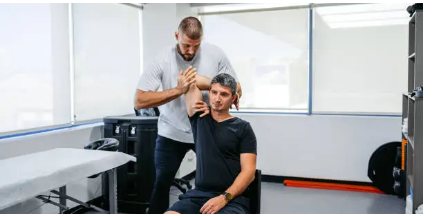
A modern sports-science-informed physiotherapy program begins with a detailed assessment. At a Woodville physio clinic, this often includes movement screening, strength testing, and sometimes gait or video analysis. These tools allow clinicians to identify underlying deficits that may not be apparent solely from pain.
Once the assessment is complete, rehabilitation is structured into phases:
1. Acute phase: Focus on pain control, inflammation reduction, and maintaining basic mobility
2. Restorative phase: Gradual loading of tissues using progressive resistance training
3. Performance phase: Sport-specific conditioning and reintegration into training environments
4. Return-to-play phase: Full functional testing and injury prevention strategies
Sports science principles ensure that each phase is guided by measurable markers such as load tolerance, strength ratios, and functional performance tests. This reduces guesswork and improves decision-making around return-to-sport timelines.
Technology in Modern Physiotherapy Practice
Technology plays a significant role in integrating sports science into physiotherapy. Many Woodville physio clinics now incorporate tools such as force plates, wearable sensors, and motion capture software to quantify movement quality and training load.
These technologies allow clinicians to track progress objectively rather than relying solely on subjective reporting. For example, a runner recovering from knee pain can be monitored for asymmetries in stride length or ground reaction force, helping the physiotherapist refine the rehabilitation program in real time.
Strength and Conditioning as a Rehabilitation Tool
A key feature of integrated care is the inclusion of structured strength and conditioning programs. In traditional rehabilitation models, strength training was sometimes introduced late in recovery. However, modern Woodville physio approaches incorporate progressive resistance training from early stages.
This shift is based on strong evidence that mechanical loading of injured tissues improves healing quality and reduces recurrence rates. Exercises are tailored not only to the injury but also to the individual’s sport, occupation, and lifestyle demands.
For example, a netball player recovering from an ankle sprain may focus on single-leg stability, plyometrics, and change-of-direction drills. At the same time, a recreational runner may prioritise hip stability and eccentric calf loading.
Strength and conditioning professionals often collaborate closely with physiotherapists to ensure a seamless transition from rehabilitation to performance training.
Injury Prevention Through Data-driven Insights
One of the most valuable outcomes of integrating sports science into physiotherapy is improved injury prevention. A Woodville physio clinic using this model does not simply treat injuries as they occur; it actively works to reduce risk factors before injuries develop.
In Woodville’s active sporting community, these preventative measures are particularly important for youth athletes and weekend warriors who may be prone to sudden increases in training load.
Rehabilitation Psychology and Performance Mindset
Another emerging component of sports science integration is the psychological aspect of recovery. Injury can significantly affect confidence, motivation, and readiness to return to play.
Progressive Woodville physio services now often include strategies to support mental resilience, such as graded exposure to sport-specific movements, goal setting, and education on pain science. These techniques help reduce fear-avoidant behaviours and improve adherence to rehabilitation programs.
Understanding that recovery is both physical and psychological allows clinicians to deliver more complete care, particularly for athletes recovering from long-term or recurrent injuries.
Community Impact in Woodville, SA
The integration of sports science into physiotherapy is not limited to elite athletes. In Woodville, SA, it benefits a wide range of people, including school athletes, local sports club members, and individuals recovering from workplace injuries.
By offering more precise rehabilitation and performance-focused care, Woodville physio clinics contribute to healthier, more active communities. Patients are not only returning to activity faster but are also less likely to experience repeat injuries.
This approach aligns well with the growing health culture in South Australia, where preventative healthcare and active living are increasingly prioritised.
The Future of Physiotherapy and Sports Science Integration
Looking ahead, the relationship between sports science and physiotherapy will continue to deepen. Artificial intelligence, predictive analytics, and advanced wearable technologies are expected to further refine rehabilitation accuracy.
For Woodville physio providers, this means an ongoing shift toward highly individualised treatment plans based on real-time data. Rehabilitation will become increasingly personalised, with programs adapting dynamically to patient progress and performance metrics.
In conclusion, integrating sports science into physiotherapy represents a significant advancement in modern rehabilitation practice. For the Woodville community, this means access to more effective, evidence-based care that supports both recovery and performance.

You May Also Like
Supporting Athletes Through Rehabilitation Journeys
Grange Physio’ How to Improve Joint Mobility Naturally in Grange, SA