
Therapy for Dogs with Hip Dysplasia: Why Pet Owners Should Prioritise Therapy for Dogs with Hip Dysplasia
Hip dysplasia is a widespread condition, especially in larger dog breeds. It happens when the hip joint fails to develop correctly, resulting in instability, pain, and eventually arthritis. Although surgery is frequently suggested for more severe cases, therapy for dogs with hip dysplasia is crucial in managing the condition and enhancing the dog’s overall quality of life. For pet owners in Portland, understanding the benefits of therapy and how it can help their dogs is crucial in providing effective care.
Understanding Hip Dysplasia in Dogs
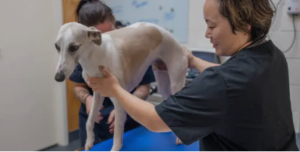 Before delving into the importance of therapy, it is essential to understand what hip dysplasia is and how it impacts a dog’s health. Hip dysplasia is a hereditary condition where the ball-and-socket joint of the hip does not fit properly. This misalignment causes friction in the joint, leading to inflammation, pain, and, eventually, arthritis. Over time, it can severely limit a dog’s mobility and affect their overall well-being.
Why Therapy is Crucial for Dogs with Hip Dysplasia
Therapy for dogs with hip dysplasia serves as a crucial part of the treatment process, often complementing surgical interventions or being the primary mode of care when surgery is not an option. Here’s why therapy is essential:
Pain Management
Hip dysplasia can be extremely painful for dogs, and pain management is a top priority. While pain medications can significantly offer temporary relief, they may have side effects, especially with long-term use. Therapy for dogs with hip dysplasia, such as physical therapy, can help manage pain more effectively without relying heavily on medications. Techniques like massage, stretching, and cold or heat therapy can effectively help reduce inflammation, increase circulation, and alleviate pain, giving your dog a better quality of life.
Improved Mobility
One of the most significant challenges for dogs with hip dysplasia is the loss of mobility. Over time, the serious misalignment of the hip joint can significantly lead to a reduction in the range of motion, making it painful for your dog to walk, run, or even stand. Therapy for dogs with hip dysplasia focuses on strengthening the muscles all around the hip joint, which helps improve stability and reduce strain on the joint itself. Regular exercise, guided by a professional therapist, can help restore your dog’s mobility and prevent further deterioration of the joint.
Prevention of Joint Deterioration
Although therapy cannot reverse the damage caused by hip dysplasia, it can slow down the progression of joint deterioration. Therapy helps maintain the joint’s function and prevent the muscles from weakening, which could further exacerbate the condition. By incorporating gentle exercises, your dog can continue to move and use the affected joint, preventing it from becoming too stiff. These exercises also help with the circulation of synovial fluid, which nourishes the joint and keeps it lubricated.
Non-Invasive Treatment Option
For many dogs, surgery may not be an option due to age, overall health, or cost considerations. Therapy for dogs with hip dysplasia offers a non-invasive treatment method that can significantly improve the dog’s quality of life. In some cases, it may even delay the need for surgery or serve as a supplementary treatment post-surgery. Non-invasive therapies such as hydrotherapy, massage, and acupuncture can be incredibly effective and safe for dogs with hip dysplasia, making them an attractive option for many pet owners.
Types of Therapy for Dogs with Hip Dysplasia
Several therapeutic options can help dogs with hip dysplasia:
- Physical Therapy: Includes exercises, stretches, and strengthening routines that help improve the function of the hip joint.
- Hydrotherapy: Exercises performed in water that reduce the impact on joints while still providing a full-body workout.
- Massage Therapy: Helps relieve muscle tension, reduce pain, and improve circulation.
- Acupuncture: Uses needles at specific points in the body to alleviate pain and promote healing.
- Cold and Heat Therapy: Cold packs can reduce inflammation, while heat can help with muscle relaxation and pain relief.
Conclusion
For pet owners dealing with hip dysplasia in their dogs, therapy is an essential part of managing the condition. Therapy for dogs with hip dysplasia offers a wide range of benefits, from pain relief to improved mobility and overall well-being. By prioritising therapy, pet owners can give their dogs the care they deserve, improving their quality of life and helping them live more comfortably despite their condition. Whether used as a stand-alone treatment or alongside other medical interventions, therapy is a crucial step in managing hip dysplasia and enhancing your dog’s health and happiness.