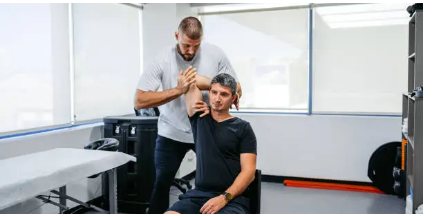
Shockwave Therapy A Non-Invasive Solution for Injury Recovery
Recovering from an injury can often be a long and frustrating process. Traditional treatments such as rest, physical therapy, or surgery may not always provide quick or lasting results. For those in Adelaide seeking a safe, effective, and non-surgical option, Shockwave Therapy has emerged as an innovative solution. This modern treatment utilises acoustic waves to stimulate the body’s natural healing process, enabling individuals to recover from injuries more quickly and with reduced reliance on invasive procedures or medications.
What Is Shockwave Therapy?
Shockwave Therapy is an effective non-invasive medical treatment that delivers high-energy sound waves into injured tissues. These acoustic waves penetrate deep into the muscles, tendons, and ligaments, triggering biological responses that promote repair, regeneration, and pain relief. Originally used to effectively break down kidney stones, this technology has been adapted in recent years to treat a wide range of musculoskeletal injuries.
Because it does not require surgery or medication, Shockwave Therapy has gained popularity among both athletes and everyday individuals seeking a safer approach to healing.
Why Shockwave Therapy Is Effective for Injury Recovery
Injuries often linger because tissues struggle to heal fully, leading to persistent pain, inflammation, and reduced mobility. Unlike painkillers that only mask discomfort, Shockwave Therapy addresses the root cause of injuries by stimulating cellular activity, improving blood circulation, and accelerating tissue repair.
The treatment helps break down scar tissue and calcium deposits that interfere with normal movement. It also boosts collagen production, which strengthens tendons and ligaments. As a result, patients often experience improved mobility and faster recovery times.
Common Injuries Treated With Shockwave Therapy
Shockwave Therapy is effective for a wide range of conditions, making it a versatile treatment for injury recovery. Some of the most common injuries and conditions treated include:
Plantar Fasciitis – A painful inflammation of the tissue on the bottom of the foot.
Tennis Elbow and Golfer’s Elbow – Overuse injuries that cause pain in the forearm and elbow.
Rotator Cuff Injuries – Shoulder pain caused by tendon damage or calcification.
Achilles Tendinopathy – Pain and stiffness in the Achilles tendon, common among runners.
Shin Splints – Pain in the lower leg is often caused by repetitive stress.
Hip and Knee Pain – Often linked to tendinitis or bursitis.
For athletes, this therapy is particularly valuable as it reduces downtime and supports a quicker return to training or competition.
How Shockwave Therapy Works
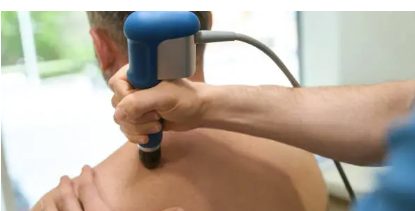
During a typical session, a handheld device is applied to the injured area. This device delivers controlled acoustic waves that create microtrauma in the tissues. While this might sound intimidating, the microtrauma stimulates the body’s natural healing responses:
Increased Blood Flow – Enhanced circulation supplies injured tissues with oxygen and nutrients.
Collagen Production – New collagen strengthens tendons, ligaments, and soft tissues.
Breakdown of Calcifications – Shockwaves dissolve calcium deposits that restrict movement and cause pain.
Pain Reduction – The therapy desensitises nerves, reducing the transmission of pain signals.
Sessions usually last 15 to 20 minutes, and most patients require between three to six treatments, depending on the severity of the injury.
Benefits of Shockwave Therapy for Recovery
There are several reasons why more healthcare professionals are recommending Shockwave Therapy:
Non-invasive – No surgery, injections, or incisions are required.
Drug-free – Reduces or eliminates the need for painkillers.
Minimal side effects – Only mild soreness or redness may occur after treatment.
Faster recovery – Patients often notice improvements within a few sessions.
Long-term results – By addressing the underlying injury, results are more sustainable compared to temporary pain relief methods.
These benefits make Shockwave Therapy an excellent choice for individuals who have tried other treatments without success.
What to Expect During Treatment
Most patients report only a mild tapping sensation during the procedure, with some experiencing slight discomfort as the waves penetrate deep into the tissues. However, the discomfort is generally well tolerated and often decreases as the treatment progresses. After a session, patients may feel soreness similar to post-exercise muscle fatigue, but this typically subsides within 24 to 48 hours.
Because the treatment is non-invasive, there is no downtime. Patients can resume normal activities immediately after their session, making it highly convenient for people with busy schedules.
Is Shockwave Therapy Right for You?
Shockwave Therapy is suitable for many individuals, including athletes, active people, and those suffering from long-term injuries that have not responded well to other treatments. However, it may not be recommended for people with blood-clotting disorders, infections in the treatment area, or for women who are pregnant. Consulting a healthcare professional is essential to determine if this therapy is the right solution for your specific condition.
Final Thoughts
Injury recovery doesn’t always have to involve surgery, medication, or months of frustration. With its excellent ability to accelerate healing, reduce pain, and restore mobility, Shockwave Therapy has become a fully trusted, non-invasive solution for injury recovery in Adelaide. Whether you are an athlete aiming to immediately return to peak performance or someone dealing with persistent pain from a past injury, this innovative therapy can provide the relief and recovery you need.


You May Also Like

VALD Transforming Athlete Monitoring and Injury Prevention

Functional Capacity Assessment in Adelaide’ A Complete Guide to the NDIS Evaluation Process and What to Expect