
Reverse Cycle Air Conditioning: The Ultimate Guide to Choosing the Perfect Reverse Cycle Air Conditioning System
In the realm of modern home comfort solutions, few technologies rival the versatility and efficiency of a new reverse cycle air conditioning system. Whether you’re facing sweltering summers or chilly winters, these systems provide year-round comfort by efficiently cooling and heating your home. If you’re considering investing in a new reverse cycle air conditioning system, this comprehensive guide will walk you through everything you need to know to make an informed decision.
What is a Reverse Cycle Air Conditioning System?
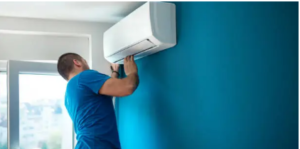 A reverse cycle air conditioning system, commonly known as a heat pump, functions by moving heat rather than producing it. In summer, it removes heat from inside your home and releases it outside, thereby cooling the indoor environment. Conversely, during colder months, it reverses this operation by absorbing heat from the outdoor air and efficiently transferring it indoors to warm your home. This dual operation significantly enhances energy efficiency compared to conventional heating and cooling approaches.
Key Considerations When Choosing a New Reverse Cycle Air Conditioning System
Choosing the right reverse cycle air conditioning system involves several critical factors that can impact comfort, energy efficiency, and overall satisfaction. Here are the key considerations to keep in mind:
Capacity and Size
One of the first considerations when choosing a new reverse cycle air conditioning system is its capacity and size. Selecting the right size unit ensures optimal performance and energy efficiency. An undersized unit will have difficulty adequately heating or cooling your space, whereas an oversized unit may cycle on and off frequently, significantly resulting in energy inefficiency and inconsistent temperatures. Manufacturers provide guidelines based on the size (in square meters) of the area the unit can effectively heat or cool.
Energy Efficiency
Energy efficiency is crucial for reducing your household’s energy consumption and costs. Look for units with remarkably high energy efficiency ratings, including those certified by Energy Star. Inverter technology is a feature to consider, as it allows the compressor to adjust its speed according to the heating or cooling requirements, optimising energy usage.
Installation Requirements
Take into account the entire installation requirements of the system, including electrical requirements and placement considerations. While certain units may be suitable for DIY installation, many necessitate professional installation to ensure optimal performance and uphold warranty terms. Seek advice from HVAC professionals or certified installers to determine the most appropriate placement and installation approach for your home.
Noise Levels
The operational noise level of the air conditioning unit can impact your comfort, especially if it will be installed in bedrooms or living areas. Newer models often feature quieter operations, but it’s essential to check the decibel rating and reviews to ensure they meet your comfort preferences.
Air Quality Features
Some reverse cycle air conditioning systems come equipped with advanced air filtration systems that remarkably improve indoor air quality by effectively capturing dust, allergens, and other particles. These features can be extremely beneficial for households with allergy sufferers or individuals sensitive to indoor air pollutants.
Smart Technology Integration
Many modern reverse cycle air conditioners offer smart technology features, such as Wi-Fi connectivity and compatibility with smart home systems. These features allow you to control the unit remotely via a smartphone app, schedule heating or cooling cycles, and monitor energy usage, enhancing convenience and energy management capabilities.
Budget Considerations
When evaluating your budget for a new reverse cycle air conditioning system, consider not only the initial purchase price but also ongoing operational costs, maintenance expenses, and potential savings in energy bills. Investing in a more energy-efficient unit may result in long-term savings despite a higher upfront cost.
Conclusion
Selecting the new reverse cycle air conditioning system requires thoughtful evaluation of factors such as capacity, energy efficiency, installation demands, and budget constraints. By giving priority to these critical factors and conducting comprehensive research, you can choose a system that not only fulfils your heating and cooling requirements but also improves energy efficiency, indoor comfort, and overall satisfaction. Whether your focus is on eco-friendly features, advanced technology, or quiet operation, there exists a new reverse cycle air conditioning system tailored to meet your precise needs and ensure consistent year-round comfort for your home.
You May Also Like

Laser Eye Surgery Adelaide’ Cost, Recovery Time, and Whether It’s Worth It in 2026
Switchboard Upgrades Adelaide’ Ensuring Safety and Efficiency for Your Home or Business