Outdoor Umbrella: What You’re Really Paying for in an Outdoor Umbrella
Outdoor umbrellas may seem like a simple addition to your patio or garden in New Zealand, but their costs can vary widely depending on several key factors. From the fabric used in the canopy to the structure of the frame, multiple elements influence what you’re truly paying for. Understanding these aspects can help you make a more informed decision and ensure you invest in an umbrella that offers long-term value.
In this article, we’ll break down the main components that drive outdoor umbrella cost so you know exactly where your money goes—from fabric to frame.
1. Fabric Quality
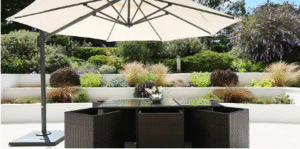 The canopy fabric is one of the most visible and essential components of an outdoor umbrella. It directly affects how well the umbrella performs under harsh sun or unpredictable weather conditions.
Cheaper models typically use basic materials that may fade quickly, offer limited UV protection, and wear down faster with exposure. In contrast, premium umbrellas use high-performance fabrics that are fade-resistant, water-repellent, and designed to withstand years of sun and rain. These fabrics also retain their colour and shape better over time, contributing to a higher outdoor umbrella cost due to their superior durability and engineering.
2. Frame and Pole Construction
The umbrella’s frame is the backbone of the entire structure and plays a crucial role in stability and longevity. The material used for the pole and ribs significantly affects both strength and cost.
Common frame materials include:
- Aluminum, known for its lightweight and rust resistance
- Wood is valued for its aesthetic but requires more maintenance
- Fiberglass is appreciated for its flexibility and wind resistance
- Steel, offering sturdiness but potentially susceptible to rust without protective coatings
Higher-quality frames typically include reinforced joints, corrosion-resistant coatings, and more advanced construction techniques. These enhancements contribute to the overall price but offer greater reliability and longer use.
3. Size and Coverage
The size of the umbrella is another key factor in determining cost. Larger umbrellas require more fabric and a sturdier frame to support the increased surface area. They offer broader shade coverage, making them ideal for spacious outdoor settings.
However, as the umbrella grows in size, so do the material requirements and structural reinforcements needed to keep it stable. It leads to a higher outdoor umbrella cost, especially for oversized or commercial-grade models designed to cover dining tables, lounge sets, or poolside areas.
4. Design and Functionality
The design of an outdoor umbrella is not just about looks—it also impacts its usability and overall price. Features like tilt mechanisms, crank lifts, rotating canopies, and adjustable height all add convenience but also increase complexity in construction.
For example, cantilever umbrellas with side-mounted poles offer unobstructed space underneath, but they require a more advanced support system. These are generally more expensive than basic centre-pole models due to their engineering and balance mechanisms.
Ease of use, adjustability, and thoughtful design add value and functionality—factors that are reflected in the final cost.
5. Durability and Weather Resistance
Durability is another critical factor affecting outdoor umbrella costs. High-end umbrellas are often built to withstand strong winds, frequent use, and harsh outdoor conditions. They may include wind vents to reduce pressure during gusts or reinforced joints to prevent breakage.
6. Brand Reputation and Warranty
The reputation of the manufacturer or brand also plays a role in pricing. Brands that are known for quality, innovation, and customer service tend to offer products that are priced higher but also come with stronger guarantees or extended warranties.
7. Included Accessories and Add-Ons
Some outdoor umbrellas come with additional accessories that can influence the overall cost. These might include:
- Protective covers
- Base weights
- Built-in lighting features
- Side curtains or mosquito netting
While not always essential, these extras can enhance comfort, safety, and convenience—especially if you plan to use the umbrella frequently or in various weather conditions.
Conclusion
The outdoor umbrella cost is determined by a combination of factors that go far beyond simple aesthetics. From the type of fabric and frame materials to design features and brand backing, each element adds value in its way.
Understanding what goes into the price helps you evaluate whether a particular umbrella meets your needs for functionality, durability, and style. Whether you’re looking for a basic shade solution or a high-performance, feature-rich model, knowing where your money is going ensures you make a smart and lasting investment.
You May Also Like
Swimming Pool Installers Adelaide’ How to Choose the Most Reliable Experts for Your Backyard Pool
Security Doors Adelaide’ Protect Your Home with the Right Choice