
Physio Magill’ Shoulder & Core Conditioning for Kayakers and Rowers on the River Torrens & West Lakes
Kayaking and rowing are excellent ways to build strength, endurance and cardiovascular fitness, whether you train on the River Torrens or spend time on the water at West Lakes. However, repetitive paddling and rowing movements can place considerable demands on the shoulders, spine and core. This is where physio can help recreational and competitive paddlers stay strong, manage niggles and reduce the risk of recurring injuries. For people living in Magill and Adelaide’s eastern suburbs, targeted conditioning can improve movement quality, strength and technique while supporting long-term participation in water sports.
Why Kayakers and Rowers Need Targeted Conditioning
Both kayaking and rowing involve repeated upper-body movements, but the physical demands differ. Kayakers rely heavily on shoulder rotation, pulling strength and trunk control, while rowers coordinate their legs, hips, core and upper body through a repeated stroke cycle.
Poor movement mechanics, sudden increases in training volume, or inadequate recovery may contribute to discomfort in the shoulder, lower back, or ribs. A tailored physio assessment can identify strength or mobility limitations before they become persistent problems.
Common areas requiring attention include:
● Rotator cuff and shoulder stabilisers
● Thoracic spine mobility
● Abdominal and deep core strength
● Hip and glute strength
● Scapular control
● Hamstring and hip mobility
Shoulder Strength for Paddling and Rowing
The shoulder needs both mobility and stability to handle repeated strokes. Simply strengthening the larger shoulder muscles may not be enough if the shoulder blade, upper back, and trunk aren’t working efficiently.
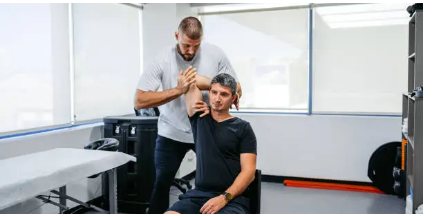
A rowing physio or sports-focused practitioner can assess how the shoulder moves during pulling, rotation and overhead activities. Exercises may include resistance-band external rotations, rows, scapular control drills and progressive pulling exercises.
The goal is not just to build stronger shoulders. It is to develop controlled movement under repeated load, helping the shoulder remain stable as training intensity increases.
Build a Stronger Core for Better Technique
The core plays a major role in transferring force between the upper and lower body. For rowers, effective trunk control can help maintain posture throughout the stroke. Kayakers also depend on rotational strength to generate efficient paddling movements.
Useful Core Exercises
Depending on your assessment and training level, a physio may recommend exercises such as:
1. Dead bugs – Develop controlled abdominal bracing without excessive spinal movement.
2. Pallof presses – Train anti-rotation control that has practical relevance to paddling.
3. Side planks – Build lateral trunk endurance.
4. Bird dogs – Improve coordination between the trunk, hips and shoulders.
5. Glute bridges – Strengthen the posterior chain and support pelvic control.
Progress exercises gradually rather than adding them all at once, especially after an injury or extended training break.
Managing Shoulder Pain Before It Becomes a Bigger Problem
Persistent shoulder pain should not simply be pushed through because rowing or kayaking is part of your routine. Pain that affects your stroke, strength, range of movement or recovery deserves assessment.
A shoulder injury clinic can provide a structured evaluation and rehabilitation program. Your practitioner may examine shoulder strength, joint mobility, scapular movement, thoracic mobility and the relationship between your technique and symptoms.
For Magill residents who train around the River Torrens or travel to West Lakes for water-based activities, local physio support can make rehabilitation easier to integrate into an active lifestyle.
Prepare for the Water With a Smarter Training Plan
Good conditioning should complement time on the water. Consider including two or three strength sessions each week, with adequate recovery between harder paddling or rowing sessions.
Increase training distance, duration and intensity progressively. If shoulder or back symptoms persist, modify the activity rather than repeatedly training through pain.
Conclusion
Strong shoulders and a well-conditioned core can help kayakers and rowers move efficiently and handle the repetitive demands of their sport. For athletes and recreational paddlers around Magill, the River Torrens and West Lakes, physio can provide individual assessment, exercise prescription and guidance for both injury prevention and rehabilitation.
If shoulder or back pain is affecting your time on the water, speak with a qualified physio for an assessment and personalised plan. Early guidance can help you address movement problems, build strength and return to kayaking or rowing with greater confidence.
—
Frequently Asked Questions
1. Can physio help with rowing-related shoulder pain?
Yes. A physio can assess shoulder mobility, strength, scapular control and training habits before developing a rehabilitation and strengthening program.
2. Why is core strength important for kayakers?
Core strength helps transfer force between the hips, trunk and shoulders while supporting controlled rotational movement during paddling.
3. What does a rowing physio assess?
A rowing physio may assess movement patterns, shoulder and spinal mobility, strength, coordination and factors that may contribute to rowing-related pain.
4. When should I visit a shoulder injury clinic?
Consider an assessment if shoulder pain persists, returns repeatedly, limits movement, or affects your ability to train and perform normal activities.
5. Can physio help prevent kayaking injuries?
Yes. A tailored program can identify mobility and strength deficits and provide exercises that improve stability, movement control and tolerance to training loads.

You May Also Like

Functional Capacity Assessment in Adelaide’ A Complete Guide to the NDIS Evaluation Process and What to Expect
Supporting Athletes Through Rehabilitation Journeys