
Cardboard Packaging: The Future of Sustainable Shipping
In our fast-changing world, the emphasis on sustainability has become increasingly vital. With both businesses and consumers searching for eco-friendly options, cardboard packaging has surfaced as a leading choice in sustainable shipping methods in New Zealand. This article delves into the many benefits of cardboard packaging, underscoring its contribution to minimising environmental impact and its capacity to transform the future of shipping.
The Environmental Benefits of Cardboard Packaging
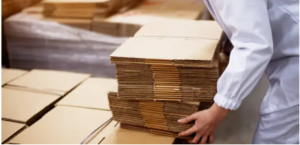 Cardboard packaging is primarily made from recycled paper products, making it a highly sustainable option. The production of cardboard consumes less energy compared to plastic and other materials, significantly reducing carbon emissions. Furthermore, cardboard is biodegradable, which means it breaks down naturally over time, minimising waste in landfills.
Lightweight and Cost-Effective
One of the significant advantages of cardboard packaging is its lightweight nature. Lighter packaging reduces transportation costs and energy consumption during shipping. Businesses can ship more products in a single load, minimising fuel usage and carbon emissions associated with transportation. This efficiency not only benefits the environment but also helps companies save money, making cardboard packaging a cost-effective solution.
Moreover, cardboard packaging is customisable, allowing businesses to create designs that fit their products perfectly. This tailored approach reduces the need for additional packing materials, further enhancing cost-effectiveness. By minimising excess packaging, companies can streamline their operations and improve their overall sustainability efforts.
Consumer Demand for Sustainable Options
Modern consumers in New Zealand are increasingly prioritising sustainability in their purchasing decisions. Research shows that over 60% of consumers are willing to pay more for products packaged in environmentally friendly materials. Cardboard packaging meets this demand, offering a sustainable alternative that resonates with eco-conscious shoppers.
By utilising cardboard packaging, businesses can enhance their brand image and attract a broader audience. Companies that prioritise sustainability often experience increased customer loyalty, as consumers appreciate brands that align with their values. In a competitive market, adopting cardboard packaging can provide a significant advantage, allowing businesses to differentiate themselves from competitors that rely on less sustainable materials.
Versatility and Functionality
Cardboard packaging is incredibly versatile, making it suitable for various industries and applications. From food and beverages to electronics and cosmetics, cardboard can be designed to meet the specific needs of different products. Its adaptability allows businesses to innovate and create packaging solutions that enhance the customer experience while remaining eco-friendly.
Furthermore, cardboard packaging offers excellent protection for products during transit. Its structural integrity ensures that items remain safe from damage, reducing the likelihood of returns and waste. Businesses that prioritise the protection of their products while utilising sustainable materials will likely see improved customer satisfaction and reduced operational costs.
Supporting Local Economies
Choosing cardboard packaging can also have a positive impact on local economies. Many cardboard products are sourced and manufactured locally, creating jobs and supporting communities. By opting for locally produced cardboard packaging, businesses can reduce their carbon footprint associated with transportation and contribute to the growth of local economies.
Supporting local suppliers also strengthens supply chains, making them more resilient and less dependent on global markets. In an era of uncertainty, businesses that invest in local resources can benefit from increased stability and sustainability.
Innovations in Cardboard Packaging
The future of cardboard packaging is bright, with ongoing innovations transforming how it is produced and utilised. New technologies are emerging that enhance the durability and functionality of cardboard, making it an even more attractive option for businesses. From moisture-resistant coatings to enhanced printing capabilities, these advancements ensure that cardboard packaging remains competitive in a diverse market.
Additionally, companies are exploring creative ways to repurpose cardboard after use. For example, many brands encourage customers to recycle or upcycle packaging into new products, promoting sustainability beyond the point of sale. These initiatives not only reduce waste but also foster a culture of environmental responsibility among consumers.
Conclusion
As the world moves toward more sustainable practices, cardboard packaging stands out as a viable solution for businesses in New Zealand looking to reduce their environmental impact. Its numerous benefits—including recyclability, cost-effectiveness, consumer appeal, versatility, and support for local economies—position it as the future of sustainable shipping.
By embracing cardboard packaging, companies can align themselves with the growing demand for environmentally friendly options while simultaneously enhancing their brand image and operational efficiency. As innovations continue to drive advancements in cardboard packaging, the potential for a sustainable future becomes increasingly attainable, making it a wise choice for businesses committed to sustainability.
In conclusion, the future of shipping is green, and cardboard packaging is at the forefront of this important movement.
You May Also Like

Laser Eye Surgery Adelaide’ Cost, Recovery Time, and Whether It’s Worth It in 2026

Switchboard Upgrades Adelaide’ Ensuring Safety and Efficiency for Your Home or Business